Serum Folate Testing: Scientific Assessment of Folate Levels to Safeguard Health and Pregnancy
Folate, also known as Vitamin B9, is an essential water-soluble B-vitamin that the human body cannot produce on its own—it must be obtained through diet or dietary supplements. Serum folate refers to the concentration of free folate in the blood's serum. It reflects the body's recent folate intake and metabolic status (over 1–2 weeks), making it the most common and convenient indicator for clinically evaluating folate nutritional status.
Why Is Serum Folate Testing Important?
1. Prevent Fetal Developmental Abnormalities (Core Benefit)
Insufficient folate during pre-pregnancy and early pregnancy significantly increases the risk of fetal neural tube defects, cleft lip and palate, and congenital heart disease. Serum folate testing provides an early warning of folate deficiency, guiding science-based supplementation to lower the risk of birth defects.
2. Identify the Cause of Anemia
Folate plays a key role in red blood cell production and DNA synthesis. A folate deficiency can lead to megaloblastic anemia, which is characterized by fatigue, dizziness, pale skin, and palpitations. Serum folate testing helps quickly determine if anemia is linked to low folate levels.
3. Reduce Cardiovascular Risks
Low folate levels cause elevated homocysteine, which damages blood vessel linings, accelerates atherosclerosis, and raises the risk of hypertension, stroke, and coronary heart disease. Folate testing helps assess potential cardiovascular health risks.
4. Guide Targeted Supplementation & Avoid Excess
More folate is not always better. Excessive folate intake can mask vitamin B12 deficiency, interfere with zinc absorption, and may increase the risk of certain health conditions over time. Testing helps determine if you're deficient or taking too much, enabling personalized nutritional management.
Serum Folate vs. Red Blood Cell Folate: What's the Difference?
Two primary folate testing indicators are used clinically, each serving distinct purposes:
| Indicator | Serum Folate | Red Blood Cell Folate |
| Timeframe Reflected | Short-term (1~2 weeks), immediate status | Long-term (3~4 months), body reserves |
| Stability | Fluctuates easily with diet and supplements | Stable, not affected by short-term intake |
| Clinical Value | Rapid screening, real-time assessment, dynamic monitoring | Long-term reserve evaluation, gold standard for diagnosis |
| Sample Type | Serum (easy to collect and process) | Whole blood (requires special pre-treatment) |
Wizbiotech Detection Technology
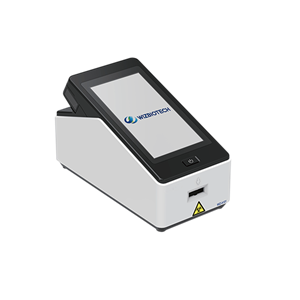
Wizbiotech serum folate test kit uses fluorescence immunochromatography with serum as the test sample, offering the following advantages:
Simple sample collection and pre-treatment
Fast results ( 15 minutes) and stable performance
No large laboratory equipment required—suitable for primary care clinics, maternal and child health centers, and physical examination facilities
High clinical correlation and consistent diagnostic performance with Roche chemiluminescence testing
Who Should Get Tested?
Women planning pregnancy, pregnant women, and lactating women (core population)
Individuals with a history of adverse pregnancy outcomes or recurrent miscarriages
People with unexplained anemia, chronic fatigue, or poor appetite
Patients with hypertension, cardiovascular disease, or hyperhomocysteinemia
Vegetarians, those with unbalanced diets, or individuals with insufficient vegetable intake
Elderly adults, patients with gastrointestinal malabsorption, and long-term alcohol users
Children and adolescents for routine nutritional assessment