How to Choose the Right Lateral Flow Uncut Sheet Supplier
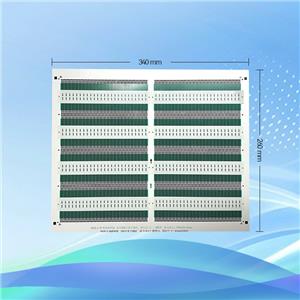
The performance of a lateral flow rapid test depends not only on assay design but also on the quality and consistency of the uncut sheet. Whether you are developing a new diagnostic product or scaling up commercial production, selecting the right lateral flow uncut sheet supplier is a critical decision that directly impacts product performance, regulatory compliance, and supply chain stability.
This article outlines the key factors buyers should evaluate when qualifying and selecting a lateral flow uncut sheet supplier.
1. Verify Product Performance
The quality of an uncut sheet directly impacts the performance of the final test. Before selecting a supplier, review key performance data, including:
Sensitivity and specificity
Limit of detection (LoD)
Stability studies
Batch-to-batch consistency
Request validation data from multiple production lots to ensure consistent performance over time.
2. Evaluate Manufacturing and Quality Systems
A qualified supplier should have a robust quality management system and proven manufacturing capability. Look for:
ISO 13485 certification
GMP-compliant manufacturing processes
Lot traceability
Change control procedures
Quality control and release testing
These systems help ensure product consistency and reduce manufacturing risks.
3. Review Raw Materials and Specifications
The performance of a lateral flow assay depends heavily on the quality of its components. Ask suppliers about:
Nitrocellulose membrane specifications
Sample and conjugate pad materials
Test and control line placement
Critical raw material sourcing
Suppliers should provide detailed technical specifications and demonstrate control over their supply chain.
4. Assess Regulatory Support
For products intended for regulated markets, regulatory documentation is essential. An experienced supplier should be able to provide:
Validation reports
Stability data
Material traceability records
Technical documentation
Suppliers familiar with FDA, CE, or other regulatory requirements can help streamline product registration and commercialization.
5. Consider Supply Reliability
A supplier's ability to deliver consistently is just as important as product quality. Evaluate:
Production capacity
Lead times
Inventory management
Business continuity plans
Reliable supply reduces the risk of production delays and supports long-term growth.
6. Red Flags to Watch For
Be cautious if a supplier:
Cannot provide lot-to-lot performance data
Lacks ISO 13485 certification
Has limited quality documentation
Cannot explain raw material sources
Offers unusually low pricing without supporting data
These issues may indicate quality or supply chain risks.
Conclusion
Choosing a lateral flow uncut sheet supplier requires more than comparing prices. Manufacturers should evaluate product performance, quality systems, regulatory support, raw material control, and supply reliability. A thorough supplier qualification process helps ensure consistent test performance and builds a strong foundation for successful diagnostic product development and commercialization.